
Easy Homemade Gluten Free Bread Recipe for a Soft Sandwich Loaf
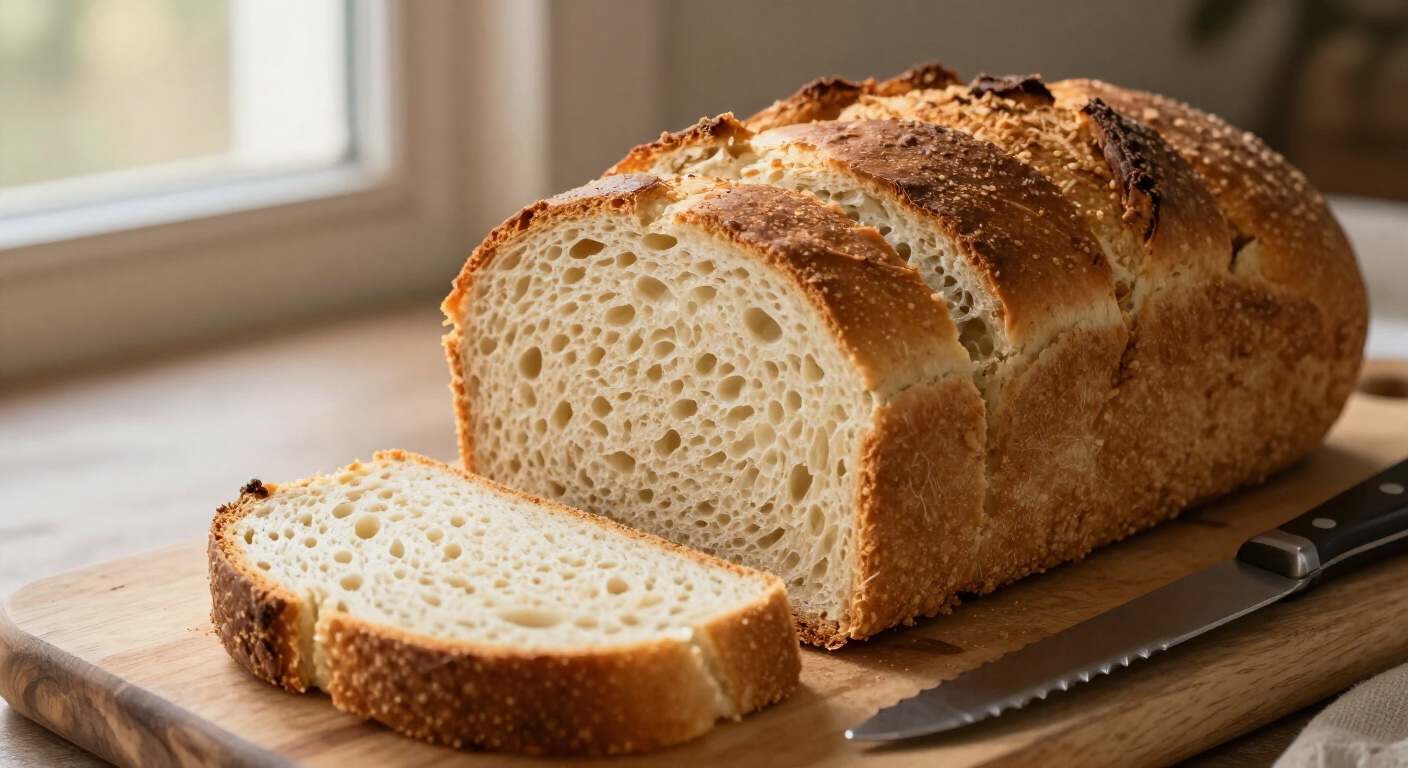
Gluten free bread recipe for beginners: a soft, golden sandwich loaf in 75 minutes with no kneading, one bowl and one pan. Bake your first today.
This gluten free bread recipe bakes a fragrant, golden-brown sandwich loaf with a soft, springy crumb in about 75 minutes of prep and baking, no kneading needed. Make it on a slow weekend morning for a week of sandwiches.
Eggs and a splash of apple cider vinegar do the job gluten usually does, trapping yeast bubbles for a tall rise. No more dense bricks like the ones I once cried over.
Ingredients You'll Need
Gluten-Free All-Purpose Flour Blend: This is the backbone of the loaf, a mix of rice flours and starches that bakes into a pale, tender crumb. Pick a blend with xanthan gum already inside. It gives the batter its stretch and keeps slices from crumbling. If yours lacks it, whisk in about 1½ teaspoons of xanthan gum per 3 cups.
Instant Yeast: These tiny dry granules wake up fast and puff the dough into a soft dome. Instant yeast mixes straight into the flour, so there's no proofing cup to fuss with. Active dry yeast works too. Bloom it in the warm milk for 5 minutes first.
Granulated Sugar: Just two tablespoons feeds the yeast and helps the crust turn deep golden-brown. It also softens the crumb a little. Honey or maple syrup swaps in one-to-one, so add it with the wet ingredients.
Fine Sea Salt: Salt makes the loaf taste like real bread instead of sweet sponge. It also keeps the yeast steady so the rise doesn't rush. Table salt works, but use a pinch less because it's denser.
Warm Milk: Milk brings richness and a soft, plush crumb. At 110°F it feels like a cozy bath on your wrist, perfect for happy yeast. Unsweetened oat or almond milk swaps in easily for a dairy-free loaf.
Large Eggs: Three eggs give the batter structure and a gorgeous sunny color. Room temperature matters, since cold eggs chill the milk and slow the rise. Set them in warm water for 10 minutes if you forgot to pull them out.
Olive Oil: Olive oil keeps the crumb moist for days and adds a faint, fruity warmth. It also helps the slices stay soft. Any neutral oil or melted butter works if you'd like a milder flavor.
Apple Cider Vinegar: One teaspoon gently brightens the dough and gives the yeast a lift. You won't taste it at all, I promise. Fresh lemon juice or white vinegar makes a fine swap.
Softened Butter: This is only for greasing the pan, and it's my favorite tiny ritual at dawn. A thin glossy film means the loaf slides out clean, corners and all. Use olive oil or baking spray if you're skipping dairy.


How to Make It (Step by Step)
This loaf is one bowl and one pan: whisk, beat into a glossy batter, let it rise, then bake until golden-brown. Even if your first loaves were bricks like mine, this soft, fragrant bread will turn out right.

- Brush softened butter over the base and sides of a 9x5-inch metal loaf pan until every corner has a thin, glossy, even film, 1-2 minutes at room temperature (70°F / 21°C). Don't skip the corners. Gluten free dough loves to stick there.

- Whisk the gluten-free flour blend, instant yeast, sugar and fine sea salt in a large bowl until evenly blended with no streaks, about 1 minute at room temperature (70°F / 21°C). The flour should look soft, pale and completely uniform. This is the quiet part. Breathe here.

- Whisk the warm milk, room-temperature eggs, olive oil and apple cider vinegar in a jug until smooth and pale yellow, about 1 minute at 110°F (43°C). The milk should feel like a warm bath on your wrist. Too hot, and you'll tire out the yeast.

- Pour the wet mixture into the dry and beat with a stand mixer paddle on medium until thick, smooth and sticky, 3-4 minutes at room temperature (70°F / 21°C). It'll look like heavy cake batter, not dough. That's exactly right. No kneading needed today.

- Scrape the dough into the buttered pan and smooth the top with a wet spatula until level and glossy, 1-2 minutes at room temperature (70°F / 21°C). A wet spatula glides. A dry one drags. Fill the pan about two-thirds full.

- Cover loosely with oiled plastic wrap and let rise in a warm spot until the dough domes just above the pan rim, 40-60 minutes at 80°F (27°C). Meanwhile, preheat your oven. Watch the dough, not the clock.

- Bake on the center rack until the crust is deep golden-brown and sounds hollow when tapped, 45-55 minutes at 375°F (190°C). An instant-read thermometer should read 205-210°F (96-99°C) inside. Your kitchen will smell like a bakery at dawn.

- Cool in the pan for 10 minutes, then turn out onto a wire rack until fully cool and firm to the touch, 1-2 hours at room temperature (70°F / 21°C). I know. It's agony. But warm gluten free bread turns gummy if cut too soon.

- Slice with a serrated knife using long, gentle strokes until you have even slices with a soft, springy crumb, 2-3 minutes at room temperature (70°F / 21°C). Look at that tender crumb. You made real bread. Be proud.

Wrapped slices keep five days chilled or three months frozen; toast straight from frozen until golden. Out of milk, warm unsweetened oat milk swaps in beautifully, and weigh your flour to dodge dense bricks.
Serving size: 1 portion · Calories: 210 · Total Fat: 8g · Saturated Fat: 2g · Carbs: 31g · Fiber: 1g · Sugar: 3g · Protein: 4g · Sodium: 320mg
Tips and Tricks
- Equipment: Use a 9x5-inch metal loaf pan: Metal heats fast and evenly, so the sides set golden-brown before the soft centre slumps. Glass and ceramic heat slowly and often leave pale, damp edges. Butter every corner well. This batter loves to cling there.

- Temperature precision: Trust 205-210°F (96-99°C), not the crust: Gluten free loaves brown early and fool you. Slide an instant-read thermometer into the centre. Below 205°F, the middle stays gummy and sinks as it cools. Hit that window and the crumb sets soft and springy.
- Common mistake: Letting the rise go too far: This batter has no gluten net to hold it. Once it domes just above the rim, bake it right away. Push past that point and it puffs, collapses in the oven, and leaves a sad crater. Watch the dough, not the timer.

- Flavour upgrade: Swap the sugar for honey: Use 2 tablespoons of honey whisked into the warm milk mixture. It adds a gentle floral sweetness and a deeper, burnished crust. My five a.m. toast has never smelled so cosy.
- Texture tip: Brush the hot crust with butter: Right after you turn the loaf onto the rack, rub a little softened butter over the top. The crust softens into something tender and sliceable. Perfect for sandwiches that don't shatter in your hands.
Frequently Asked Questions
Can I make this gluten free bread recipe without eggs?
Yes, replace the 3 eggs with 3 tablespoons ground flaxseed whisked into 9 tablespoons warm water and rested 5 minutes, or use 9 tablespoons aquafaba. Grease the pan with olive oil instead of butter, and expect a slightly denser, lower-rising loaf.
How long does this loaf keep on the counter, and how do I refresh it?
Wrapped in a clean tea towel inside a bread bag, the whole uncut loaf stays soft for 2 days at room temperature. To revive day-two bread, warm it unwrapped on the oven rack at 350°F (175°C) for 8-10 minutes until the crust crisps again.
Why did my gluten free loaf sink in the middle after baking?
It likely overproofed or was underbaked, so let the dough rise only until it domes just above the rim, then bake until the center reads 205-210°F (96-99°C). If the crust darkens too early, tent it loosely with foil for the final 15 minutes.
What to Serve With This
- Roasted Tomato Soup: Its bright, tangy acidity cuts through the mild, buttery crumb, and soft slices are perfect for dunking.
- Lemony Arugula Salad: Peppery leaves and a zippy lemon dressing bring a fresh crunch beside the tender, springy bread.
- Balsamic Roasted Mushrooms: Deep, glossy, savory mushrooms add an earthy richness that the golden crust happily soaks up.
- Quick Pickled Cucumber Salad: Cool, crisp, vinegary cucumbers give a sharp, refreshing bite against the soft, fragrant loaf.

Easy Homemade Gluten Free Bread Recipe for a Soft Sandwich Loaf
Side Dish / American
- Prep
- 20 min
- Cook
- 55 min
- Total
- 1 h 15 min
- Servings
- 12
- Calories
- 160 kcal
Ingredients
- 3 cups (420 g) gluten-free all-purpose flour blend, with xanthan gum included
- 2¼ teaspoons (1 packet) instant yeast
- 2 tablespoons granulated sugar
- 1½ teaspoons fine sea salt
- 1¼ cups warm milk, about 110°F (43°C)
- 3 large eggs, at room temperature
- ¼ cup olive oil
- 1 teaspoon apple cider vinegar
- 1 tablespoon softened butter, for greasing the loaf pan
Instructions
- Brush softened butter over the base and sides of a 9x5-inch metal loaf pan until every corner has a thin, glossy, even film, 1-2 minutes at room temperature (70°F / 21°C). Don't skip the corners. Gluten free dough loves to stick there.
- Whisk the gluten-free flour blend, instant yeast, sugar and fine sea salt in a large bowl until evenly blended with no streaks, about 1 minute at room temperature (70°F / 21°C). The flour should look soft, pale and completely uniform. This is the quiet part. Breathe here.
- Whisk the warm milk, room-temperature eggs, olive oil and apple cider vinegar in a jug until smooth and pale yellow, about 1 minute at 110°F (43°C). The milk should feel like a warm bath on your wrist. Too hot, and you'll tire out the yeast.
- Pour the wet mixture into the dry and beat with a stand mixer paddle on medium until thick, smooth and sticky, 3-4 minutes at room temperature (70°F / 21°C). It'll look like heavy cake batter, not dough. That's exactly right. No kneading needed today.
- Scrape the dough into the buttered pan and smooth the top with a wet spatula until level and glossy, 1-2 minutes at room temperature (70°F / 21°C). A wet spatula glides. A dry one drags. Fill the pan about two-thirds full.
- Cover loosely with oiled plastic wrap and let rise in a warm spot until the dough domes just above the pan rim, 40-60 minutes at 80°F (27°C). Meanwhile, preheat your oven. Watch the dough, not the clock.
- Bake on the center rack until the crust is deep golden-brown and sounds hollow when tapped, 45-55 minutes at 375°F (190°C). An instant-read thermometer should read 205-210°F (96-99°C) inside. Your kitchen will smell like a bakery at dawn.
- Cool in the pan for 10 minutes, then turn out onto a wire rack until fully cool and firm to the touch, 1-2 hours at room temperature (70°F / 21°C). I know. It's agony. But warm gluten free bread turns gummy if cut too soon.
- Slice with a serrated knife using long, gentle strokes until you have even slices with a soft, springy crumb, 2-3 minutes at room temperature (70°F / 21°C). Look at that tender crumb. You made real bread. Be proud.
Share this article
About the author
Theo Lindqvist
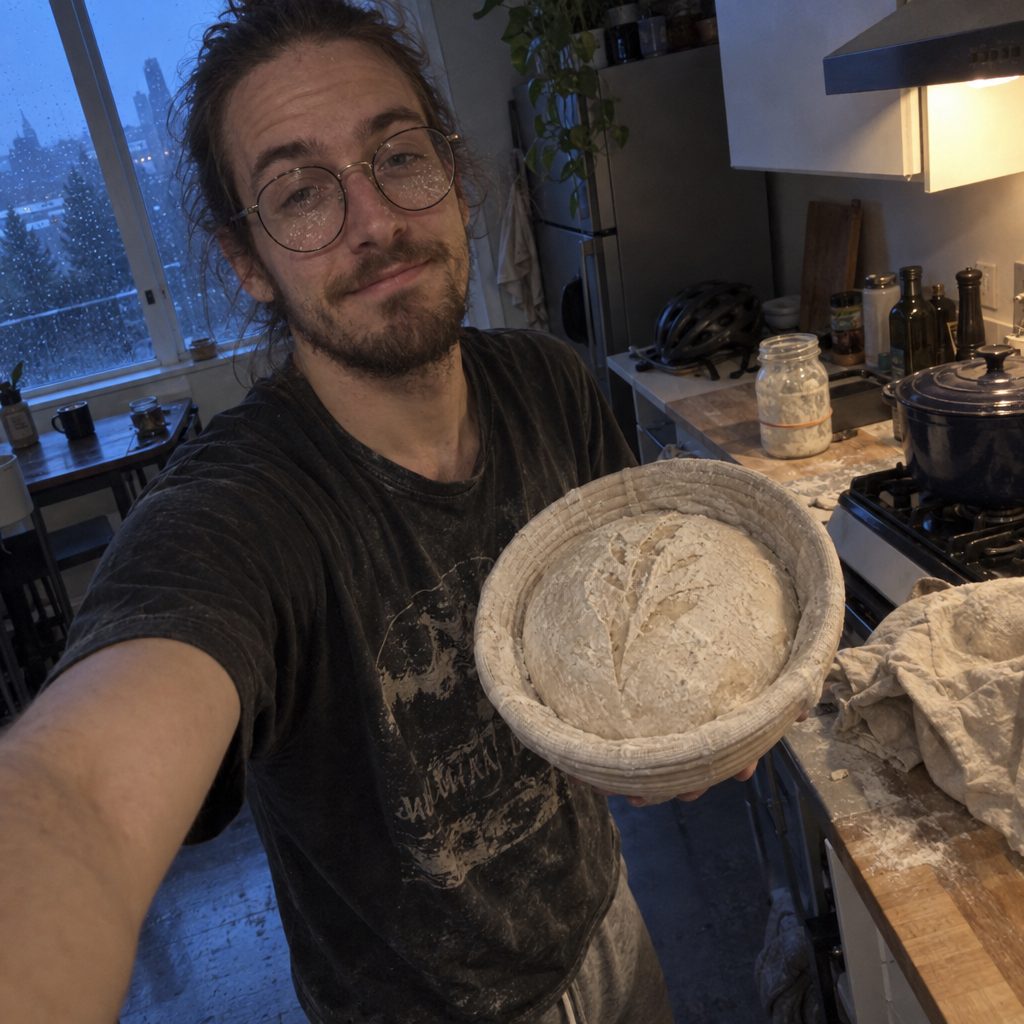
Theo bakes at five in the morning because anxiety wakes him anyway, and kneading is the one thing that makes his hands stop shaking. His first loaves were bricks and he cried over them. Now he scores a boule in the blue dark and feels, for an hour, completely at peace.